
AI SEO Optimization Checklist: The Content Refresh Playbook for AI Citation-Readiness
Your content refresh process is optimized for the wrong era.
Here’s a data point that should stop you mid-workflow: ChatGPT cites URLs that are 393 to 458 days newer than organically ranking pages (Multiple industry studies, 2025-2026). Perplexity gives 3.2x more citations to pages updated within 30 days (Averi 2026 Benchmark, 2026). Meanwhile, most content teams are still running refresh playbooks built for 2019 Google – updating publish dates, swapping a few sentences, and calling it optimization.
That approach worked when Google rewarded “freshness signals.” AI engines don’t care about your publish date. They care whether your content contains citable, structured, evidence-backed answers that their systems can extract and reference.
The shift is already reshaping search behavior. 50% of consumers now use AI-powered search, and 50% of Google searches include an AI overview (HubSpot 2026 State of Marketing Report, 2026). AI Overviews reduce organic CTR for position one by up to 58% (Ahrefs, December 2025). Your carefully refreshed content can rank beautifully in traditional results while remaining completely invisible to the AI systems that increasingly drive discovery.
This checklist is the exact framework NAV43 uses for client content refresh projects. It’s built specifically for AI SEO optimization and citation-readiness, not traditional SEO freshness. Every item addresses a specific mechanic that influences whether AI systems extract, cite, or recommend your content.
One important caveat before we dive in: traditional organic search still drives approximately 345x more traffic than AI engines combined. This playbook complements your existing SEO refresh process; it doesn’t replace it. Think of this as an additional layer that prepares your content for where search is heading while protecting your current traffic.

How to Use This Checklist
This isn’t a sequential process where Step 1 leads to Step 2. It’s a category-based audit where teams can tackle sections in parallel based on available resources and priorities.
When to use this checklist:
- Quarterly content audits of your highest-value pages
- Underperforming pillar pages that should be driving more traffic
- Pages losing traffic to AI Overviews (check Search Console for impression drops on informational queries)
- High-value pages with low AI citation rates (ranking well organically but not appearing in AI responses)
- Any content refresh project where AI visibility is a strategic priority
Who should run this:
Content marketing managers, SEO leads, and editorial teams responsible for content updates. For larger organizations, this works best when SEO and content teams collaborate. SEO identifies priority pages and technical requirements while content handles evidence upgrades and structural changes.
Recommended frequency:
- Priority pages (top 10% by traffic or revenue): Monthly spot-checks
- Core content catalog: Quarterly full audit
- Supporting pages: Semi-annual review
Each checklist item below includes the “why.” The specific AI visibility mechanic it addresses. Understanding the mechanic helps you prioritize and adapt when you encounter edge cases the checklist doesn’t cover.
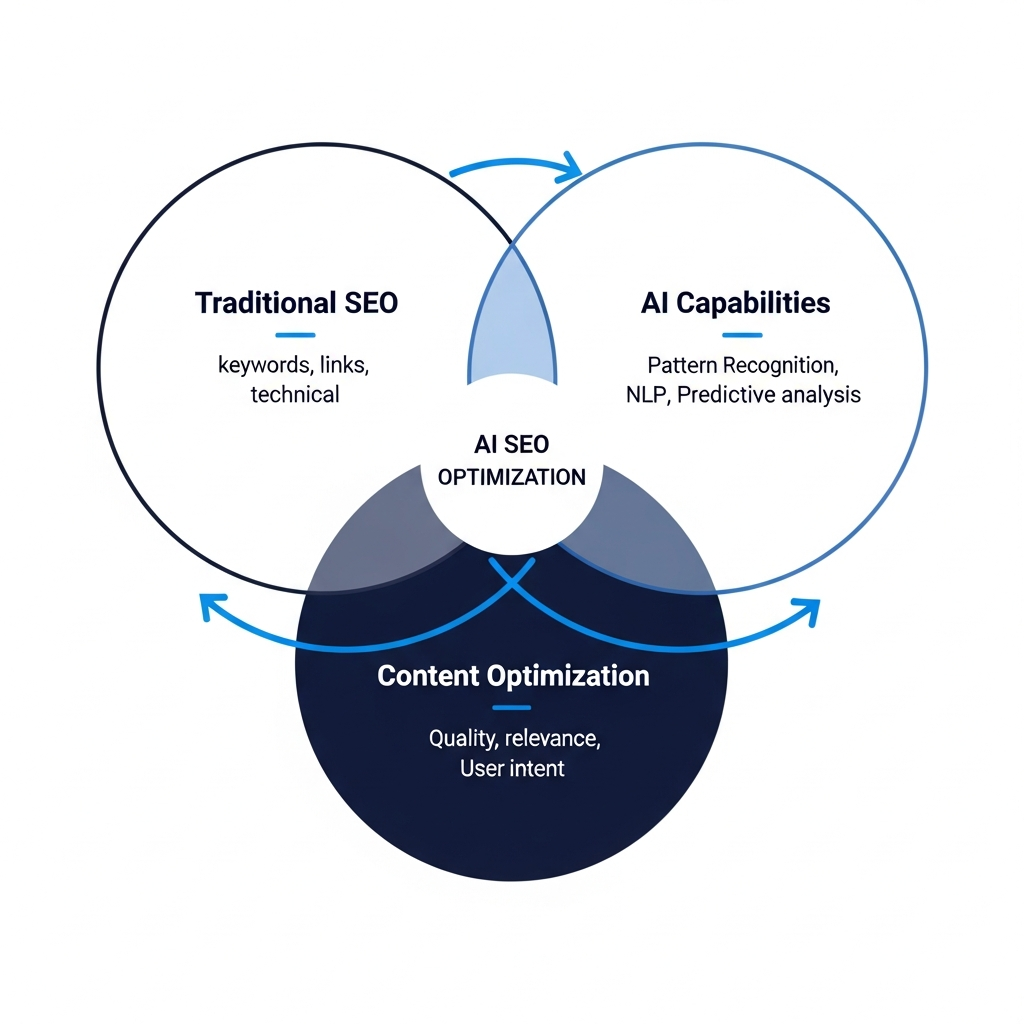
The Priority Matrix: Which Pages to Refresh First
Before you touch a single piece of content, you need a prioritization framework. Not every page deserves the same refresh investment, and only 14% of marketers currently use AI citation tracking (Goodfirms 2026 Survey, 2026). Most teams are flying blind, refreshing based on gut feel rather than data.
The NAV43 AI Refresh Priority Matrix evaluates three factors:
- Current organic value – traffic, conversions, revenue attribution
- AI citation gap – is this page ranking organically but NOT being cited by AI engines?
- Refresh ROI potential – how much work versus how much upside?
| Priority | Organic Value | AI Citation Status | Action |
|---|---|---|---|
| P1 – Urgent | High | Not cited | Full refresh using complete checklist |
| P2 – Strategic | Medium | Partially cited | Targeted refresh – evidence and structure |
| P3 – Opportunistic | Low | High citation potential | Quick wins – front-load answers, add stats |
| P4 – Monitor | Any | Already well-cited | Quarterly review only |
How to identify AI citation gaps:
Query your target terms manually in ChatGPT, Perplexity, and check Google AI Overviews. Document which competitors are cited instead of you. This takes time, but it reveals the real gaps. I was reviewing a B2B client’s content last month and found their top-ranking page for “enterprise data security” had zero AI citations while a competitor’s page ranking in position 7 appeared in 4 out of 5 AI responses we tested.
The overlap between Google’s top-10 organic results and AI citations dropped from approximately 75% in mid-2025 to 17-38% in early 2026 (Demand Local / BrightEdge, 2026). Organic rankings alone no longer predict AI visibility.
If a page ranks #1-3 organically but isn’t getting cited by AI engines, that’s your highest-priority refresh. You’ve already proven the content has value – now you need to make it citable. These P1 pages represent your biggest opportunity because the authority signals are already there. The content just isn’t structured for AI extraction.
Section 1: Front-Loading Answers and Evidence
Here’s the single most important structural insight for AI content refresh: 44.2% of all LLM citations come from the first 30% of a page (Zyppy, 2025).
AI engines extract passages, not pages. The first 300 words of your content carry disproportionate weight in determining whether you get cited. Most content refresh processes ignore this reality entirely, focusing instead on comprehensive coverage throughout the piece.
Checklist Items:
□ Add a direct answer within the first 100 words
State the core answer to the page’s primary question immediately. Format it as 2-3 sentences that could be quoted verbatim by an AI system. Don’t bury the lead with context-setting. Instead, lead with the answer.
Why it matters: AI systems scan for extractable answers. If your first paragraph is background context, the AI may never reach your actual answer before selecting a competitor’s content.
□ Front-load your strongest statistic
Adding statistics to content delivers 30-41% visibility improvement in AI responses (Princeton GEO Study, 2024). Place your most compelling, cited data point in the opening section. Include source and year inline – AI engines evaluate citation quality.
Why it matters: Statistics signal authority and provide the kind of specific, verifiable information AI systems prefer to cite.
□ Add a “Quick Answer” or summary block near the top
This isn’t a TL;DR for lazy readers – it’s a structured, quotable summary designed for AI extraction. Include the primary question, direct answer, and one supporting statistic. Format it distinctly using a blockquote, callout box, or clearly labeled section.
Why it matters: Clear structural separation helps AI systems identify and extract the most citation-worthy content on the page.
□ Restructure the introduction to be extractable
Each sentence should be able to stand alone as a citation. Avoid pronouns that require context from previous sentences. Use complete, declarative statements.
Why it matters: AI systems extract individual passages, not paragraphs. Dependent clauses and pronouns without clear antecedents create unusable excerpts.
□ Audit the first H2 section for answer density
Does your first major section contain a citable answer, or is it still “setting up” the topic? Move actionable content earlier and push background context later.
Why it matters: The front-loading principle extends beyond the introduction. Your first substantive section should deliver immediate value, not more preamble.
Section 2: Evidence and Authority Upgrades
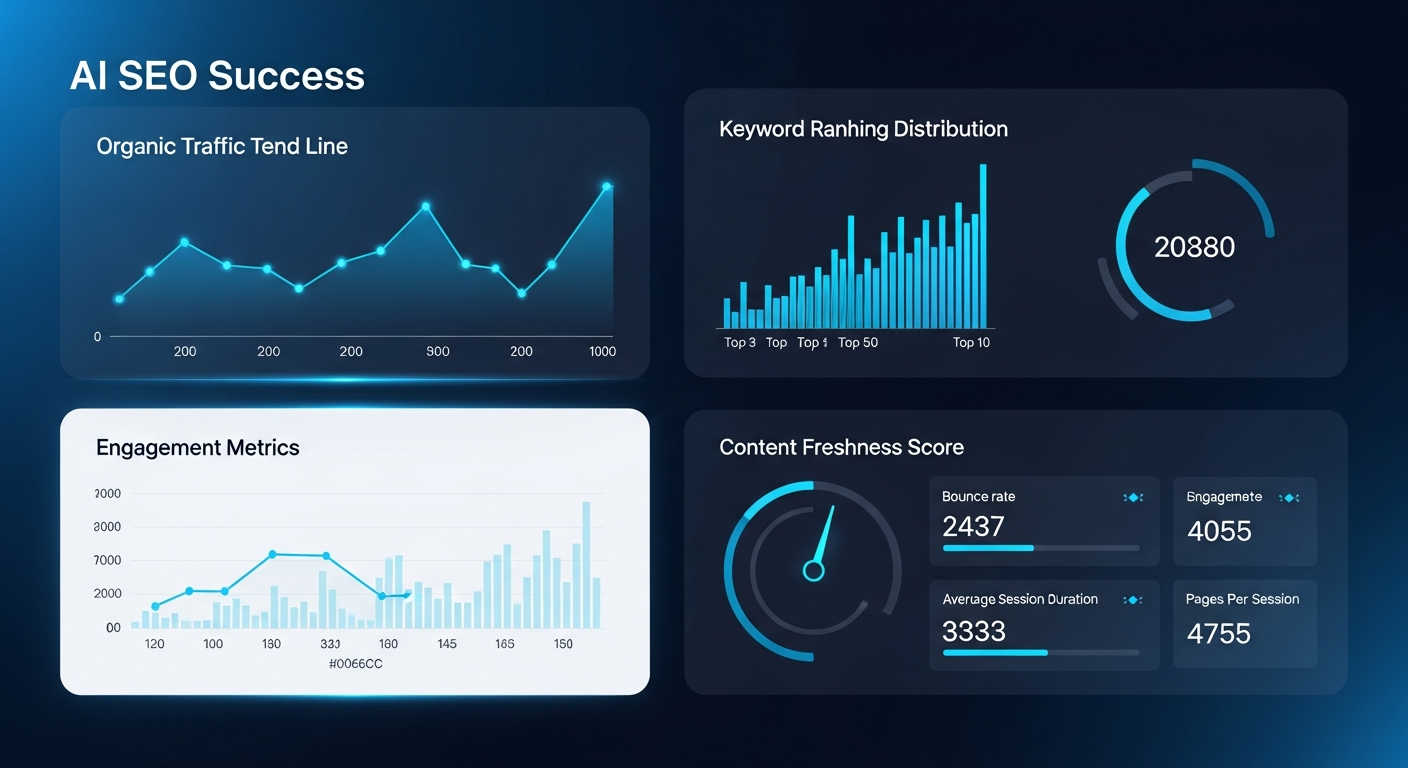
AI engines evaluate source quality. 65.3% of ChatGPT-cited pages come from domains with Domain Rating 80+ (Ahrefs, 2026). But domain authority alone isn’t enough – your content needs to demonstrate expertise through evidence, not just assertions.
Your refresh needs to add proof, not just polish prose.
Checklist Items:
□ Add 3-5 new statistics with inline citations
Every major claim should have a stat within 1-2 sentences. Use specific numbers: “31.7%” beats “about a third.” Include source name and year in parentheses – AI engines parse this format.
Why it matters: Statistics signal research-backed authority. AI systems prefer content that demonstrates claims with verifiable data rather than opinion or generalization.
□ Update all existing statistics to current year
Replace 2023 or older data with 2025-2026 equivalents. If no current data exists, acknowledge the date: “As of [Year]…” Remove statistics you can no longer verify from a reputable source.
Why it matters: Outdated statistics reduce credibility scores in AI evaluation. Perplexity in particular weights recency heavily in its citation decisions.
□ Add original data or first-party insights
Original research and data-rich benchmark reports are cited at 3-10x the rate of standard blog posts (Averi 2026 Benchmark, 2026). Include any client results, internal benchmarks, or proprietary analysis. Frame as “NAV43 client data shows…” or “Based on our analysis of X accounts…”
Why it matters: First-party data creates unique value that AI systems can’t find anywhere else. This is the most defensible form of content authority.
□ Add expert quotes or named attribution
Attribute insights to named individuals with relevant expertise. AI engines favor content with clear authorship signals. Format consistently: “According to [Name], [Title]…”
Why it matters: Named expertise satisfies E-E-A-T requirements that AI systems increasingly evaluate when selecting sources. Anonymous claims carry less weight.
□ Implement author schema markup
Websites with author schema are 3x more likely to appear in AI answers (BrightEdge, 2026). Ensure the page has Person schema linking to an author profile page. Verify the author bio page exists and includes credentials, expertise areas, and links to other published work.
Why it matters: Schema markup makes expertise machine-verifiable. AI systems can confidently attribute content to qualified authors rather than anonymous sources.
For detailed guidance on author schema implementation, see our guide on Author Pages, E-E-A-T, and AI Search Visibility.
□ Add or update publication and modification dates
Include both the original publish date and the “Last updated” date visible on the page. Use schema markup: datePublished and dateModified. AI engines weigh recency – make it machine-readable, not just human-visible.
Why it matters: Recency is a citation factor. Machine-readable dates ensure AI systems can accurately assess content freshness.
Section 3: Structural and Formatting Updates
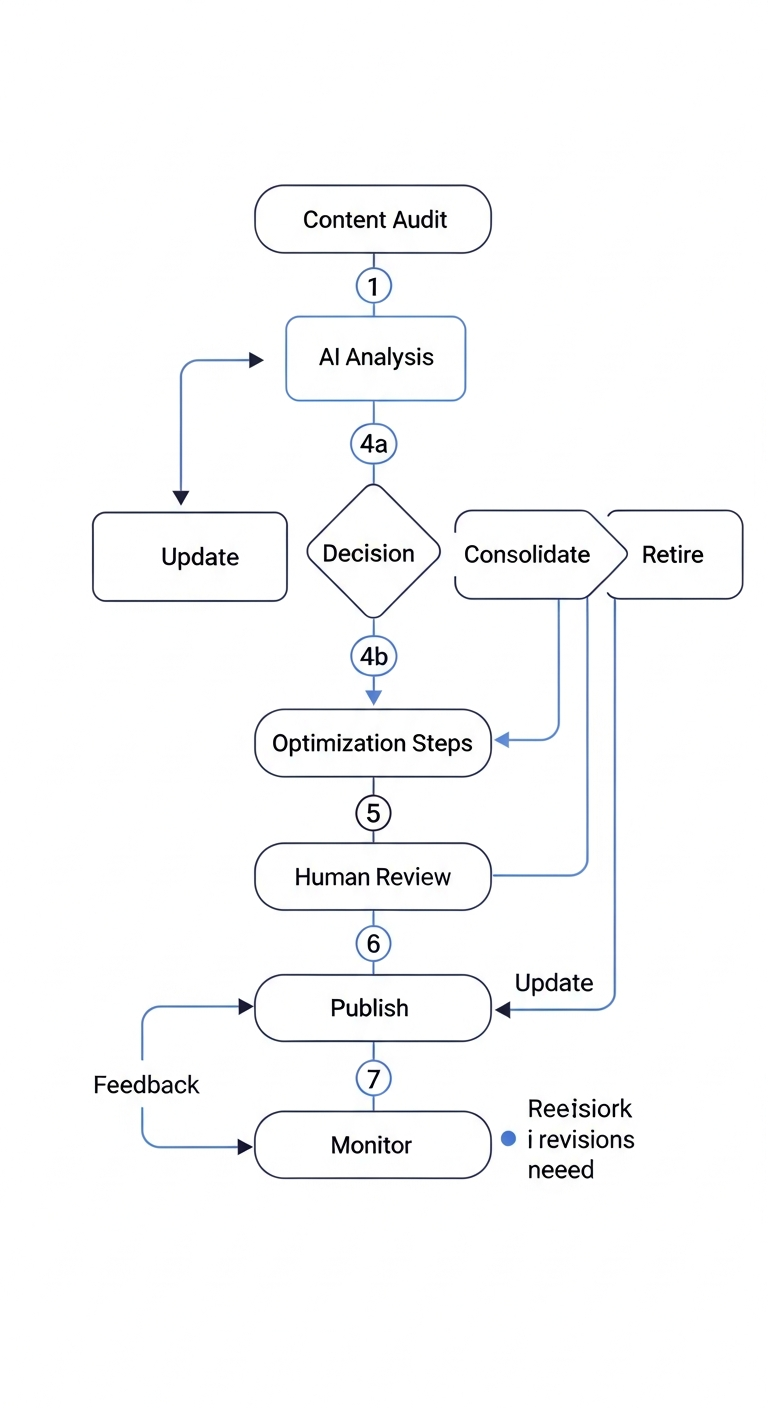
AI engines parse structure to identify answerable passages. Poor formatting doesn’t just hurt readability. It makes your content invisible to AI extraction. Sites implementing structured data and FAQ blocks saw a 44% increase in AI search citations (BrightEdge, 2026).
Checklist Items:
□ Add clear subheadings every 150-200 words
Each H2/H3 should describe what the section answers. Use question-format headings where natural: “How does X work?” or “What is the difference between X and Y?” Front-load keywords in headings when it reads naturally.
Why it matters: Subheadings create extraction boundaries. AI systems use heading structure to identify discrete, quotable sections rather than trying to extract from long undifferentiated text blocks.
□ Add or update FAQ schema
Identify 3-5 questions the page answers and mark up with FAQPage schema. Ensure Q&A pairs are visible on-page, not hidden in accordions or tabs that may not render for crawlers.
Why it matters: FAQ schema explicitly identifies question-answer pairs for AI systems. This structured format dramatically increases citation probability for informational queries. Learn more in our guide on FAQ Pages for AEO: What Actually Works in 2026.
□ Convert prose to scannable formats where appropriate
Turn run-on paragraphs into bulleted lists. Add tables for comparisons, benchmarks, or multi-variable data. Use numbered lists for sequential processes.
Why it matters: Structured formats are more extractable than prose. A comparison table can be cited directly; a paragraph describing the same comparison requires AI interpretation and risks misattribution.
□ Add a comparison or data table
Tables are highly extractable by AI engines. Include a descriptive caption: “Table: [What this compares]” Keep to 4-6 columns maximum for scannability and extraction accuracy.
Why it matters: Tables package complex information into citation-ready formats. AI systems can reference table data with high confidence in accuracy.
□ Break paragraphs at 3-5 sentences maximum
Long paragraphs reduce extractability. Each paragraph should cover one discrete point that can stand alone.
Why it matters: Shorter paragraphs create cleaner extraction boundaries. AI systems selecting passages from dense text often truncate awkwardly or miss the key point entirely.
□ Verify mobile responsiveness
AI engines reference mobile-first indexing data. Ensure tables, lists, and callouts render correctly on mobile. Test that structured content doesn’t collapse into unreadable formats on smaller screens.
Why it matters: Mobile-first indexing means AI systems may evaluate your content based on mobile rendering. Broken mobile layouts can prevent proper content parsing.
Section 4: Platform-Specific Optimization
Cross-platform URL overlap between AI engines is only 1.4% (industry research, 2026). What gets cited by ChatGPT may not appear in Perplexity or Google AI Overviews. Your refresh needs to address platform-specific preferences.
ChatGPT Optimization Items:
□ Emphasize domain authority signals
ChatGPT heavily favors high-DR sources. Add outbound links to authoritative sources (.edu, .gov, major publications). Ensure your own site has a strong backlink profile. Content refresh and link building work together.
Why it matters: ChatGPT’s citation algorithm weights domain authority more heavily than other platforms. Without sufficient authority signals, even well-structured content may not earn citations.
□ Prioritize depth over breadth
ChatGPT prefers comprehensive, long-form content on single topics. Consider consolidating thin related pages into authoritative pillar content rather than refreshing multiple shallow pages.
Why it matters: ChatGPT evaluates topical completeness. A comprehensive resource outranks multiple partial answers.
For more on getting ChatGPT to cite your content, see our detailed playbook: How to Get ChatGPT to Cite Your Brand.
Perplexity Optimization Items:
□ Maximize content freshness
Perplexity gives 3.2x more citations to pages updated within 30 days (Averi 2026 Benchmark, 2026). Set a 30-day refresh cadence for priority pages. Ensure dateModified schema is implemented and reflects actual update dates.
Why it matters: Perplexity explicitly weights recency in its ranking algorithm. Fresh content earns dramatically more citations.
□ Add direct source citations
Perplexity values content that itself cites sources. Every claim should have an inline citation to original research or authoritative sources.
Why it matters: Perplexity uses your citations as authority signals. Well-cited content appears more trustworthy to Perplexity’s evaluation systems.
Our complete Perplexity optimization guide covers additional tactics: How to Get Perplexity to Reference Your Content.
Google AI Overviews Optimization Items:
□ Prioritize structured data completeness
Google AI Overviews pull from Knowledge Graph and schema-marked content. Implement Article, FAQPage, HowTo, and Organization schema as relevant. Verify implementation in Google Rich Results Test.
Why it matters: Google AI Overviews leverage existing Google infrastructure. Structured data that improves featured snippet eligibility also improves AI Overview citation probability.
□ Optimize for featured snippet formats
AI Overviews often source from pages already earning featured snippets. Structure content in paragraph, list, and table formats that match snippet patterns.
Why it matters: Featured snippet optimization and AI Overview optimization share significant overlap. Content structured for snippets transfers well to AI Overview citations.
For the complete playbook on Google’s AI features, see How to Rank in Google AI Overviews.
Section 5: Earned Media and Off-Page Integration
This is the refresh item most teams miss entirely. On-page changes alone won’t maximize AI citation potential. 82% of links cited by AI engines came from earned media (Muck Rack Generative Pulse, December 2025).
Your content refresh workflow needs to extend beyond the page itself.
Checklist Items:
□ Identify third-party mentions and ensure they link to current URLs
Audit brand mentions using a tool like Ahrefs or Semrush. Reach out to update broken or non-linking mentions. Prioritize mentions on high-authority domains.
Why it matters: Third-party mentions contribute to the entity signals AI systems use to evaluate source authority. Unlinked mentions miss an opportunity to convert attention into authority.
□ Create a “citable asset” within the refreshed content
Add an original stat, chart, or framework that others would want to reference. Make it easy to cite: include embed code or clear attribution instructions.
Why it matters: Citable assets attract organic backlinks and mentions over time, compounding the authority signals that drive AI citations.
□ Coordinate refresh with digital PR outreach
Time content refresh with a press release or media pitch. New data or updated insights provide a news hook for earned coverage.
Why it matters: Coordinated timing amplifies refresh impact. A content update alone generates less attention than a refresh paired with proactive outreach.
□ Update internal links from high-authority pages
Ensure your most authoritative pages link to the refreshed content. Internal authority flow improves AI citation probability by consolidating signals on priority pages.
Why it matters: Internal linking distributes authority across your site. Refreshed content linked from strong pages inherits authority signals faster.
□ Add or update “as seen in” or “featured in” trust signals
If the content or data has been cited by media, display those logos. This builds both human trust and E-E-A-T signals that AI engines evaluate.
Why it matters: Visible trust signals reinforce authority claims. AI systems evaluate trust indicators as part of source selection.
Measuring the Impact of Your AI-Focused Refresh
You can’t improve what you don’t measure. And currently, only 14% of marketers track AI citation performance (Goodfirms 2026 Survey, 2026). Traditional SEO metrics like rankings and traffic don’t capture AI visibility. You need new measurement approaches.
What to Track:
AI Citation Rate by Platform
Query your target terms weekly in ChatGPT, Perplexity, and Google AI Overviews. Document: Was your brand/URL cited? What was cited instead? Track citation rate over time: (# of citations / # of queries) for each platform.
How to implement: Create a tracking spreadsheet with your priority queries. Run each query through all three platforms weekly. Record citations, rank alternatives, and note any patterns.
Brand Mention Volume in AI Responses
Even without a direct link, brand mentions in AI answers build awareness. Track branded search volume as a proxy for AI-driven brand discovery.
How to implement: Monitor branded search trends in Search Console. Increases without corresponding marketing campaigns may indicate AI-driven brand discovery.
Traffic from AI Referrers
Segment analytics by referral source: chatgpt.com, perplexity.ai, etc. Note: most AI traffic doesn’t have clean referral attribution – this provides directional data only.
How to implement: Create referrer segments in your analytics platform for known AI domains. Expect significant dark traffic that won’t attribute properly.
Citation Velocity
How quickly after refresh does your content start appearing in AI responses? Benchmark: Perplexity favors content updated within 30 days.
How to implement: Log refresh dates alongside citation tracking. Measure days-to-first-citation for refreshed pages to establish baseline velocity.
For a complete measurement framework, see our guide on How to Measure AI SEO & Win Visibility in the Age of Chatbots.
The Measurement Gap Is Your Competitive Advantage
40.6% of marketers are updating their SEO strategy for AI search, but only 14% are tracking AI citation performance (HubSpot 2026 State of Marketing Report, 2026). Most of your competitors are optimizing blind.
If you build citation tracking into your refresh workflow, you’ll iterate faster and win more AI real estate while they’re still guessing. The measurement infrastructure you build today becomes a compounding advantage as AI search matures.
The Complete AI Content Refresh Checklist (Quick Reference)
Use this as a scannable reference your team can print or screenshot for active refresh projects.
Front-Loading Answers
- □ Direct answer within first 100 words
- □ Strongest statistic in opening section
- □ Quick Answer summary block near top
- □ Introduction restructured for extractability
- □ First H2 section contains citable answer
Evidence and Authority
- □ 3-5 new statistics with inline citations
- □ All statistics updated to 2025-2026
- □ Original data or first-party insights added
- □ Expert quotes with named attribution
- □ Author schema implemented
- □ Publication and modification dates visible and marked up
Structure and Formatting
- □ Subheadings every 150-200 words
- □ FAQ schema added or updated
- □ Prose converted to scannable formats
- □ Comparison or data table included
- □ Paragraphs limited to 3-5 sentences
- □ Mobile responsiveness verified
Platform-Specific
- □ ChatGPT: Domain authority signals and content depth
- □ Perplexity: 30-day freshness and source citations
- □ Google AI Overviews: Structured data and snippet optimization
Off-Page Integration
- □ Third-party mentions audited and updated
- □ Citable asset created within content
- □ Refresh coordinated with PR outreach
- □ Internal links from high-authority pages
- □ Trust signals displayed
Measurement
- □ AI citation tracking implemented
- □ Brand mention monitoring active
- □ Refresh impact baseline established
What to Do After You’ve Completed the Checklist
You’ve run the checklist. Now what?
Set your refresh cadence:
- P1 pages (high organic value, low AI citation): Refresh monthly
- P2 pages (medium value, partial citation): Refresh quarterly
- P3 pages (low current value, high potential): Single refresh, then monitor
- P4 pages (already well-cited): Quarterly review, refresh only when data expires
Build AI citation tracking into your regular workflow:
Add citation checks to your existing content performance reviews. The data you collect now establishes baselines for measuring improvement.
Expand the audit scope:
Start with your top 20 pages. Once you’ve validated the process and established measurement, expand to the next tier.
Feed insights back to new content creation:
Everything you learn from refresh projects should inform how you create new content. If front-loading answers drives citations, build that into your content brief templates from the start.
Key Takeaways
- AI citation and organic ranking are decoupling. Pages ranking #1 organically may have zero AI visibility. Your refresh process needs to address both.
- Front-load everything. 44.2% of LLM citations come from the first 30% of a page (Zyppy, 2025). Lead with answers, statistics, and quotable content.
- Platform preferences diverge. ChatGPT weights domain authority. Perplexity weights freshness. Google AI Overviews leverage structured data. Optimize for each.
- Evidence beats polish. Adding statistics delivers 30-41% visibility improvement in AI responses (Princeton GEO Study, Aggarwal et al., 2024). Your refresh should add proof, not just rewrite prose.
- Measurement is your competitive moat. Only 14% of marketers track AI citations (Goodfirms 2026 Survey, 2026). Build tracking into your workflow, and you’ll iterate faster than competitors.
Next Steps
- Audit your top 10 pages for AI citation gaps using manual queries in ChatGPT, Perplexity, and Google AI Overviews
- Prioritize using the matrix – identify your P1 pages (high organic value, low AI citation) for immediate refresh
- Run one page through the complete checklist to establish your team’s workflow and timing
- Set up citation tracking before you refresh so you can measure impact
- Build a refresh calendar based on the cadence recommendations above
Want a professional assessment of your content’s AI visibility? Get a free growth plan that includes an AI citation audit alongside traditional SEO analysis.
The refresh playbook that worked for the past decade is now optimizing for signals AI engines don’t evaluate. The teams that adapt their workflows first will own AI visibility while competitors are still updating publish dates and wondering why traffic is falling.
